Smart Home & Automation
Connected Devices and Home Automation in Canada
An independent reference covering device ecosystems, automation setup, platform compatibility, and privacy considerations for Canadian households.
Key Topics
What This Resource Covers
From choosing a smart home ecosystem to understanding data collection practices, this site covers the specifics that matter in a Canadian household context.
Smart Home Platforms
Comparing the dominant ecosystems — Amazon Alexa, Google Home, Apple HomeKit, and Samsung SmartThings — including their compatibility with Canadian retailers and bilingual support.
Automation Routines
How to structure time-based, trigger-based, and location-based automations. Includes practical examples for lighting schedules, thermostat control, and door lock routines.
Privacy & Data
An overview of what data smart home devices collect, where it is stored, and how Canadian privacy legislation under PIPEDA applies to connected home products.
Device Compatibility
Not every device sold in the US works identically in Canada. This covers frequency bands for Z-Wave, Zigbee channel restrictions, and firmware availability differences.
Energy Management
Smart thermostats and load-monitoring plugs work differently depending on your provincial utility. Details on Ecobee, Nest, and demand-response program compatibility.
Local vs Cloud Control
The distinction between devices that require a cloud connection and those that support local processing. Relevant for network reliability and long-term device support.
Articles
Recent Articles
Detailed reference articles covering specific aspects of smart home technology in a Canadian context.

Smart Home Platforms Available in Canada: Ecosystem Comparison
A structured look at the four major smart home ecosystems, their device libraries, hub requirements, and Canadian-specific availability.
Read article →June 2026
Building Automation Routines for a Canadian Household
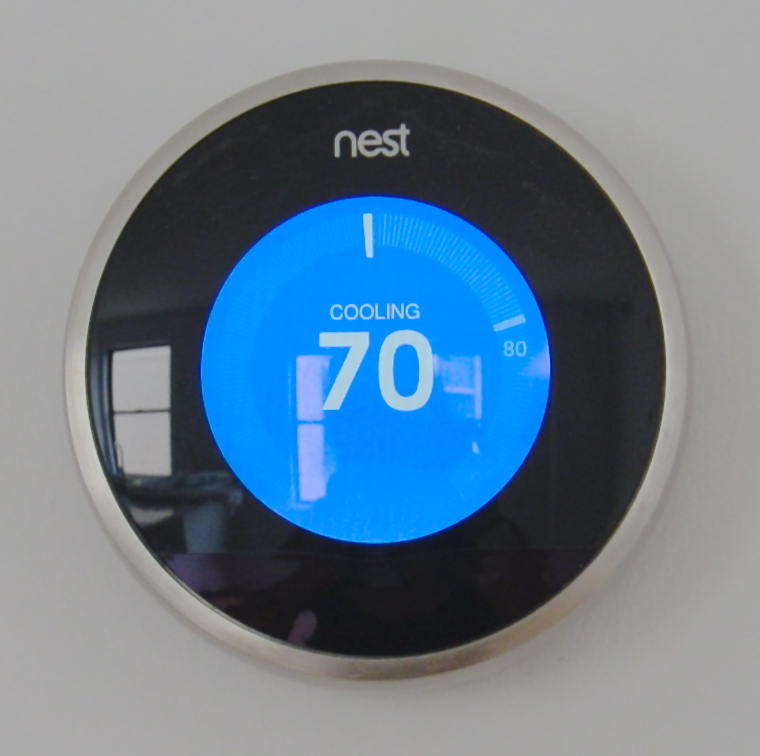
Practical automation examples for lighting, heating, and security — with notes on seasonal adjustments and provincial time zones.
Read article →June 2026

Smart Home Privacy in Canada: What PIPEDA Means for Your Devices
How Canadian privacy law applies to smart home data collection, what manufacturers disclose, and practical steps for reducing data exposure.
Read article →June 2026
Context
Why Canada Differs from Other Markets
Bilingual Device Requirements
Consumer products sold in Canada are subject to the Official Languages Act requirements for packaging and documentation. Some smart home hubs include French-language voice models by default; others require a separate regional firmware.
Radio Frequency Regulations
Innovation, Science and Economic Development Canada (ISED) certifies wireless devices. Z-Wave devices manufactured for the US market operate on 908.42 MHz, while Canadian-certified devices use the same frequency. However, some older EU-band Z-Wave devices are not legal to use here.
Utility Integration Gaps
Smart thermostats such as Ecobee and Nest integrate with provincial utility demand-response programs in Ontario (through Peaksaver) and BC Hydro. Not every province has equivalent programs, which affects certain energy-saving automation features.
Contact
Send a Message
Use this form to submit questions, corrections, or feedback about the content on this site.